
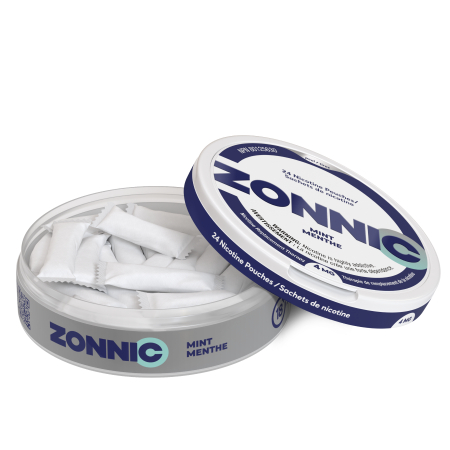
One of the most common questions about nicotine products is whether nicotine itself causes cancer. It’s a critical distinction that’s often misunderstood: while tobacco use is definitively linked to cancer, the question of whether isolated nicotine is carcinogenic remains more nuanced. This article examines what the scientific evidence actually says about nicotine and cancer risk.
The Critical Distinction: Nicotine vs. Tobacco
Understanding whether nicotine is carcinogenic requires first separating nicotine from tobacco. Tobacco smoke contains over 7,000 chemicals, with at least 70 known to cause cancer according to the National Cancer Institute. Nicotine, however, is just one component of tobacco.
When we discuss products like tobacco-free nicotine pouches, we’re talking about isolated nicotine without the combustion byproducts and tobacco-specific compounds that contribute to cancer risk. This is why understanding nicotine’s independent effects is so important for consumers considering tobacco-free alternatives like VELO.
What Actually Causes Cancer in Cigarettes?
The cancer-causing agents in cigarettes are primarily generated through tobacco combustion and include:
Tobacco-Specific Nitrosamines (TSNAs)
TSNAs are among the most potent carcinogens in tobacco products. These compounds, particularly NNK (4-(methylnitrosamino)-1-(3-pyridyl)-1-butanone) and NNN (N’-nitrosonornicotine), are formed during tobacco curing and processing. Research published in Cancer Research has established TSNAs as major contributors to lung cancer and oral cancer in smokers.
Importantly, TSNAs are not present in pharmaceutical-grade nicotine or properly manufactured tobacco-free nicotine pouches. When you examine the ingredients in VELO pouches, you’ll find purified nicotine without these tobacco-specific carcinogens.
Polycyclic Aromatic Hydrocarbons (PAHs)
PAHs like benzo[a]pyrene are produced when organic material burns. These compounds bind to DNA and can trigger mutations leading to cancer. A 2011 study in Mutation Research confirmed PAHs as significant contributors to smoking-related cancers. These are entirely absent from non-combustible nicotine products.
Formaldehyde and Other Aldehydes
Formaldehyde, acetaldehyde, and acrolein are volatile organic compounds released during tobacco combustion. The International Agency for Research on Cancer (IARC) classifies formaldehyde as a Group 1 carcinogen. These chemicals simply don’t exist in oral nicotine pouches, which don’t involve any burning or heating process.
What Does Research Say About Isolated Nicotine?
The scientific consensus distinguishes between nicotine’s role in tobacco-related disease and its independent carcinogenic potential.
Current Scientific Position
The Royal College of Physicians’ 2016 report “Nicotine Without Smoke” states clearly: “Although it is the main reason people smoke, nicotine is not itself a highly hazardous drug… The main culprits are the products of combustion.”
Similarly, the U.S. Food and Drug Administration acknowledges that while nicotine is addictive, it is not considered a direct carcinogen. The FDA notes that the primary health risks from cigarettes come from other chemicals produced by burning tobacco.
The Tumor Promotion Debate
While nicotine may not initiate cancer, some laboratory studies suggest it could potentially promote tumor growth in already-existing cancers. This distinction is crucial:
- Tumor initiation: Causing DNA damage that starts cancer
- Tumor promotion: Supporting the growth or spread of existing tumors
A 2014 review in Nature Reviews Cancer examined nicotine’s biological effects and found that while nicotine can stimulate certain cellular pathways involved in tumor development in laboratory settings, these findings don’t necessarily translate to human cancer risk in the absence of tobacco’s carcinogenic compounds.
Epidemiological Evidence
Perhaps the most compelling evidence comes from long-term studies of nicotine replacement therapy (NRT) users. Decades of research on people using nicotine gum, patches, and lozenges have not shown increased cancer rates compared to non-users. This real-world data suggests that pharmaceutical nicotine, when delivered without tobacco’s carcinogens, does not significantly increase cancer risk.
Nicotine Delivery Methods and Cancer Risk
The delivery method matters enormously when assessing cancer risk:
Combustible Products (Highest Risk)
Cigarettes, cigars, and pipes involve burning tobacco, creating thousands of carcinogenic compounds. This is where nearly all tobacco-related cancer risk originates.
Smokeless Tobacco (Moderate Risk)
Traditional snus and dip contain tobacco and therefore TSNAs, though at lower levels than cigarettes. Research from Sweden, where snus is common, shows elevated oral cancer risk compared to non-users, though substantially lower than smokers. Learn more about these differences in our comparison of VELO and traditional snus.
Tobacco-Free Nicotine Pouches (Lowest Risk)
Modern nicotine pouches like VELO Freeze and VELO Polar Mint contain purified nicotine without tobacco leaf. This eliminates TSNAs and other tobacco-specific compounds. While not risk-free (nicotine remains addictive), they represent a fundamentally different risk profile than tobacco products.
Understanding Nicotine’s Biological Effects
To fully understand the carcinogenic question, it’s helpful to know how nicotine is absorbed and metabolized in the body.
Nicotine primarily acts on nicotinic acetylcholine receptors in the nervous system. While this creates the addictive properties discussed in our article on nicotine addiction, these receptor interactions don’t inherently damage DNA or cause mutations – the hallmarks of carcinogenic substances.
However, nicotine does have physiological effects worth noting:
- Cardiovascular effects: Temporary increases in heart rate and blood pressure
- Metabolic effects: Influences on insulin sensitivity and metabolism
- Vascular effects: Potential impact on blood vessel development
These effects don’t make nicotine carcinogenic, but they’re important considerations for overall health, particularly for people with cardiovascular conditions or diabetes.
What This Means for Nicotine Pouch Users
For consumers considering or currently using nicotine pouches, the evidence suggests several important points:
Substantially Lower Cancer Risk Than Smoking
By eliminating combustion and tobacco-specific carcinogens, tobacco-free pouches remove the primary cancer-causing agents found in cigarettes. The comparison between VELO and cigarettes in terms of chemical exposure is stark.
Not the Same as Zero Risk
While current evidence doesn’t classify nicotine as carcinogenic, “not carcinogenic” isn’t the same as “completely harmless.” Nicotine remains addictive, and long-term studies on modern nicotine pouches specifically are still accumulating. The precautionary principle suggests treating these products as reduced-harm alternatives for existing nicotine users, not as risk-free products for non-users.
Quality and Purity Matter
Not all nicotine pouches are created equal. Reputable manufacturers use pharmaceutical-grade nicotine and rigorous quality control to ensure products are truly tobacco-free and free from contaminants. This is one reason many Canadian users choose established brands when they buy VELO nicotine pouches in Canada.
Ongoing Research and Future Questions
While the current scientific consensus suggests nicotine alone is not carcinogenic, research continues on several fronts:
- Long-term epidemiology: As tobacco-free nicotine pouches become more widespread, population-level studies will provide additional data
- Combination effects: Research on how nicotine might interact with other factors in cancer development
- Oral health impacts: Studies on the effects of nicotine on oral tissues over extended periods
- Regulatory frameworks: How health authorities worldwide will classify and regulate tobacco-free nicotine products
The Bottom Line
Based on current scientific evidence, nicotine itself is not classified as carcinogenic. The cancer risks associated with smoking come primarily from tobacco-specific nitrosamines, polycyclic aromatic hydrocarbons, and thousands of other compounds created by combustion – not from nicotine alone.
For individuals already using nicotine, tobacco-free delivery methods like modern nicotine pouches represent a substantially different risk profile than combustible tobacco. However, this doesn’t make them risk-free, particularly regarding nicotine’s addictive properties and cardiovascular effects.
As with any health decision, consumers should stay informed about emerging research and consult healthcare providers when considering nicotine products, especially if they have pre-existing health conditions.
Related Guides
Frequently Asked Questions
Does nicotine cause cancer?
Current scientific evidence does not classify nicotine as a carcinogen. The Royal College of Physicians and the FDA both acknowledge that while nicotine is addictive, the cancer risks from tobacco come primarily from combustion byproducts and tobacco-specific compounds like TSNAs and PAHs, not from nicotine itself.
What chemicals in cigarettes actually cause cancer?
The primary carcinogens in cigarettes include tobacco-specific nitrosamines (TSNAs like NNK and NNN), polycyclic aromatic hydrocarbons (PAHs like benzo[a]pyrene), formaldehyde, and dozens of other compounds produced by burning tobacco. These chemicals, not nicotine, are responsible for most tobacco-related cancers.
Are nicotine pouches safer than cigarettes for cancer risk?
Tobacco-free nicotine pouches eliminate the combustion byproducts and tobacco-specific carcinogens found in cigarettes, representing a substantially different cancer risk profile. While not completely risk-free, they remove the primary cancer-causing agents associated with smoking. Long-term population studies continue to assess their overall health impacts.
Can nicotine promote tumor growth?
Some laboratory studies suggest nicotine might support tumor growth in already-existing cancers by stimulating certain cellular pathways. However, this potential “tumor promotion” effect differs from tumor initiation (causing cancer), and laboratory findings don’t necessarily translate to significant human cancer risk when nicotine is delivered without tobacco’s carcinogens.
What does the FDA say about nicotine and cancer?
The FDA acknowledges that while nicotine is the addictive component in tobacco, it is not considered a direct carcinogen. The agency notes that the primary health risks from cigarettes come from other chemicals produced by burning tobacco, not from nicotine itself.
Do nicotine replacement therapies increase cancer risk?
Decades of research on nicotine replacement therapy (NRT) products like gums, patches, and lozenges have not shown increased cancer rates compared to non-users. This real-world epidemiological evidence suggests that pharmaceutical nicotine, when delivered without tobacco’s carcinogenic compounds, does not significantly increase cancer risk.
Is nicotine in VELO pouches the same as nicotine in cigarettes?
The nicotine molecule itself is the same, but VELO pouches use pharmaceutical-grade purified nicotine without tobacco leaf or the thousands of combustion byproducts found in cigarette smoke. This means VELO delivers nicotine without the TSNAs, PAHs, formaldehyde, and other carcinogenic compounds present in cigarettes.