
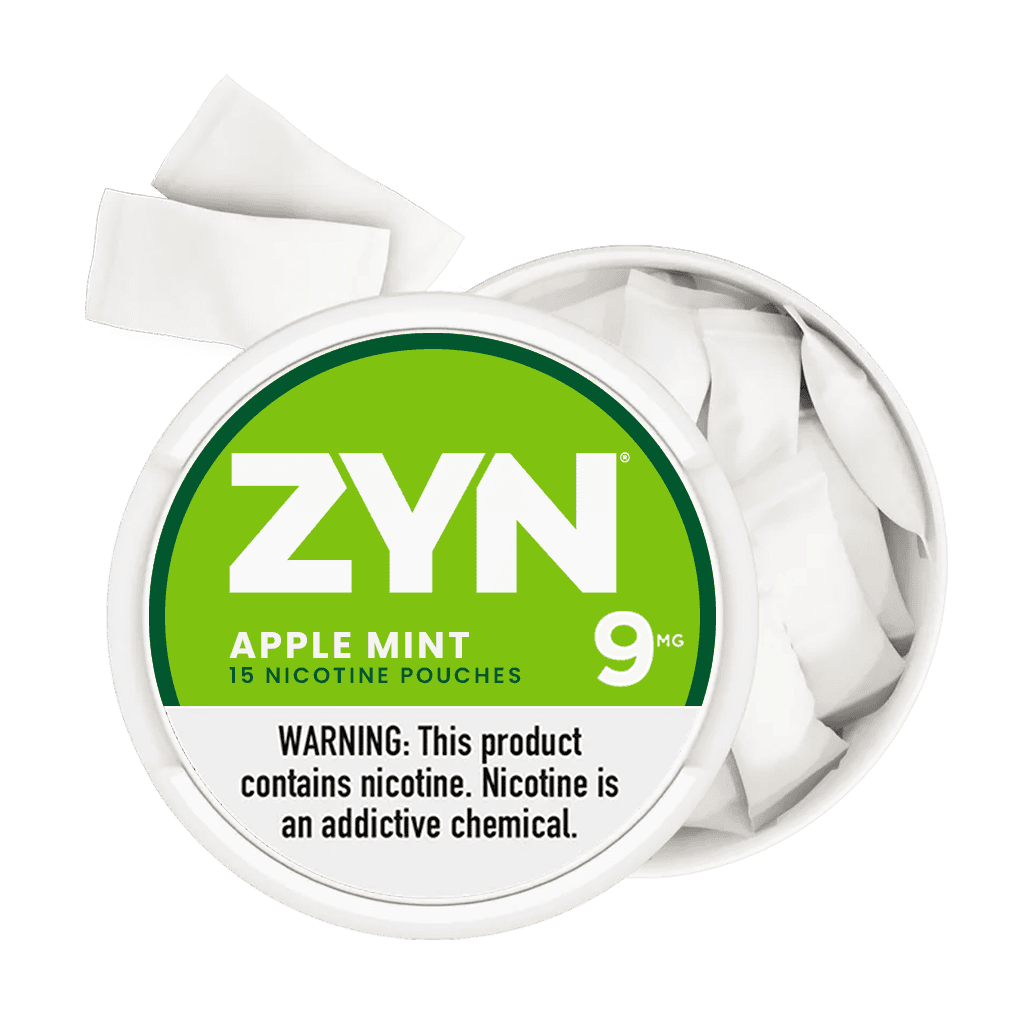
If you’ve been using nicotine pouches regularly, you’ve probably noticed something frustrating: the same VELO pouch that used to deliver a satisfying buzz now feels noticeably weaker. You’re not imagining it. This is nicotine tolerance in action – a biological adaptation that affects every nicotine user, from first-timers to veterans.
Understanding how nicotine tolerance develops at the cellular level can help you manage your nicotine use more effectively, avoid constantly chasing higher strengths, and maintain a consistent experience without escalating your intake.
What Is Nicotine Tolerance?
Nicotine tolerance is your brain’s adaptive response to repeated nicotine exposure. When you use nicotine regularly, your neural receptors become less sensitive to the substance, requiring higher doses to produce the same effects you initially experienced.
This isn’t unique to nicotine pouches – tolerance develops with cigarettes, vaping, gum, and any form of nicotine delivery. However, the specific absorption profile of oral nicotine pouches creates a unique tolerance pattern compared to smoking or vaping.
The Neuroscience: How Tolerance Develops
Nicotinic Acetylcholine Receptors
When nicotine enters your bloodstream through the oral mucosa, it travels to your brain and binds to nicotinic acetylcholine receptors (nAChRs). These receptors are normally activated by acetylcholine, a neurotransmitter involved in attention, memory, and reward processing.
Nicotine is a near-perfect molecular mimic of acetylcholine. When it binds to these receptors, it triggers the release of dopamine and other neurotransmitters – creating the alertness, satisfaction, and mild euphoria users seek.
Receptor Desensitization
Here’s where tolerance begins: nicotinic receptors have a peculiar property called desensitization. After nicotine binds and activates these receptors, they enter a refractory state where they temporarily stop responding to stimulation.
According to research published in the Journal of Neuroscience, this desensitization can occur within minutes of nicotine exposure and may last for hours. The receptor is physically present but functionally inactive – like a light switch that’s been flipped so many times it gets stuck.
Receptor Upregulation
Your brain responds to chronic desensitization by producing more receptors through a process called upregulation. Studies using positron emission tomography (PET) imaging have shown that regular nicotine users have significantly more nicotinic receptors than non-users – sometimes up to 300% more in certain brain regions.
This sounds like it should make you more sensitive to nicotine, but the opposite happens: most of these upregulated receptors exist in a desensitized state. You need more nicotine just to activate enough receptors to feel normal, let alone experience the effects you’re seeking.
Why Your Pouch Feels Weaker Over Time
When you first start using nicotine pouches, your brain has a baseline number of nicotinic receptors, most in a sensitive, ready-to-activate state. A 3mg or 6mg pouch activates enough receptors to produce noticeable effects.
After weeks of regular use, several things happen:
- Acute desensitization: Receptors remain inactive for hours after each use
- Chronic desensitization: With continuous exposure, receptors spend more time in the inactive state
- Receptor upregulation: Your brain creates more receptors, but most are desensitized
- Baseline shift: You now need nicotine just to feel normal, not to feel enhanced
The same 6mg pouch that once gave you a buzz now barely registers. This is why many users progressively escalate from standard VELO Ice Cool (4mg) to VELO Freeze (7mg) to eventually VELO Max Freeze (15mg).
Timeline of Nicotine Tolerance Development
Tolerance doesn’t develop overnight, but it happens faster than most people realize:
Days 1-3: Initial Adaptation
Acute desensitization begins. You might notice the second or third pouch of the day feels slightly less intense than the first. Receptors need time to resensitize between uses.
Weeks 1-2: Early Tolerance
Chronic desensitization sets in. Your morning pouch still works well (receptors have recovered overnight), but by evening, you’re getting diminishing returns. You might start using pouches more frequently or for longer.
Weeks 3-4: Established Tolerance
Receptor upregulation accelerates. Even your first pouch of the day feels weaker. You’re thinking about moving to higher strengths. The onset time might still be the same, but the peak effects are blunted.
Months 2-3: Plateau
Tolerance reaches a relative plateau. Further increases occur more slowly. At this point, you’re using nicotine primarily to avoid withdrawal and maintain baseline functioning rather than for enhancement.
Individual variation is significant – genetics, frequency of use, dosage, and even nicotine bioavailability factors affect how quickly tolerance develops.
Signs You’ve Developed Tolerance
How do you know if tolerance is affecting you? Watch for these indicators:
- Reduced duration: Pouches that used to last 30-45 minutes now feel “done” in 15-20
- Increased frequency: You’re using pouches every 30-60 minutes instead of every few hours
- Strength escalation: You’ve moved from 3mg to 6mg to 9mg+ within a few months
- Morning effectiveness only: Only your first pouch after sleeping feels “right”
- Chasing the buzz: You’re using multiple pouches at once or switching to ultra-strong options
- Withdrawal between uses: You feel irritable, anxious, or unfocused within an hour of your last pouch
These aren’t character flaws – they’re predictable neurological adaptations documented in research on nicotine dependence.
How to Reset Nicotine Tolerance
The good news: nicotine tolerance is reversible. Receptor desensitization begins to reverse within hours of your last dose, and upregulation gradually declines over weeks.
The Tolerance Break (T-Break)
The most effective reset is complete abstinence for 2-4 weeks. Research shows that nicotinic receptor levels begin normalizing after 6-12 weeks of cessation, but significant improvements occur much sooner.
Timeline of receptor recovery:
- 24-48 hours: Acute desensitization reverses; receptors resensitize
- 3-7 days: Withdrawal symptoms peak then decline; receptor function improving
- 2-3 weeks: Noticeable reduction in receptor upregulation
- 4-6 weeks: Substantial normalization of receptor density and sensitivity
A full reset takes patience, but even a partial break yields results.
Mini Breaks and Cycling
If a full cessation isn’t realistic, strategic reduction works too:
- 48-72 hour breaks: Allow acute desensitization to reverse; take a weekend off once a month
- Daily abstinence windows: No nicotine for 12+ hours daily (e.g., after 6 PM)
- Alternate-day use: Use pouches only every other day to prevent chronic desensitization
- Strength cycling: Drop to half your normal strength for 2 weeks, then resume – you’ll notice the difference
Managing Tolerance Without Increasing Strength
You don’t need to constantly escalate to stronger pouches. Here are evidence-based strategies:
1. Spacing Protocol
Wait at least 2-3 hours between pouches to allow receptor resensitization. Front-load your day – use pouches earlier when receptors are fresher, taper off in the evening.
2. Duration Optimization
Don’t automatically use pouches for 30+ minutes. Remove it when effects peak (usually 10-15 minutes). Prolonged exposure contributes to desensitization without additional benefit.
3. Flavor Rotation
While tolerance is primarily neurological, sensory habituation plays a role. Rotate between different VELO flavors – mint varieties like VELO Polar Mint, fruit options like VELO Ruby Berry, or citrus blends like VELO Orange Spark.
4. Format Variation
Consider alternating between VELO Mini and regular formats or trying different nicotine formulations. Changing delivery kinetics can temporarily circumvent tolerance patterns.
5. Mindful Use
Avoid automatic, habitual use. Ask: “Do I need this pouch, or is it just routine?” Use pouches strategically for specific situations rather than continuous maintenance dosing.
6. Biochemical Support
Stay hydrated – dehydration affects oral mucosa absorption. Adequate sleep helps normalize neurotransmitter systems. Some users report exercise helps manage cravings during tolerance breaks by boosting endogenous dopamine.
The Strength Escalation Trap
Moving from standard to extra-strong pouches might seem like the solution, but it accelerates tolerance. A 2014 study found that higher nicotine doses produce proportionally greater receptor upregulation and desensitization.
Jumping from 6mg to 15mg pouches provides temporary relief, but within weeks, you’re back to the same tolerance problem – except now you’re using triple the nicotine to feel baseline. It’s a treadmill that only goes faster.
The smarter approach: reset tolerance at your current level rather than escalating.
Comparing Tolerance Across Nicotine Products
Tolerance develops with all nicotine delivery methods, but the rate varies:
- Cigarettes: Fastest tolerance development due to rapid brain uptake and frequent dosing throughout the day
- Vaping: Similar to smoking; rapid delivery and high bioavailability accelerate tolerance
- Nicotine pouches: Moderate tolerance development; slower absorption than inhalation but more consistent than NRT
- Gum/lozenges: Slower tolerance; intermittent, lower-dose delivery is less likely to cause maximum receptor desensitization
One advantage of pouches: the discrete format makes it easier to implement spacing and reduction strategies compared to the continuous availability of vaping.
Related Guides
FAQs About Nicotine Tolerance
How long does it take to develop nicotine tolerance?
Acute tolerance begins within hours of first use, but noticeable tolerance typically develops within 1-2 weeks of regular use. Significant tolerance requiring dosage increases usually emerges after 3-4 weeks of daily consumption. Individual variation exists based on genetics, frequency, and dosage.
How long does it take to reset nicotine tolerance?
Receptor resensitization begins within 24-48 hours of cessation. Noticeable improvement occurs after 3-7 days, with substantial tolerance reduction after 2-3 weeks. Complete normalization of receptor density takes 4-6 weeks minimum. Even shorter breaks (48-72 hours) provide partial tolerance reset.
Can you prevent nicotine tolerance from developing?
You can’t completely prevent tolerance with regular use, but you can minimize it: space doses 2-3+ hours apart, limit usage duration (15-20 minutes per pouch), take regular 48-72 hour breaks, avoid escalating to higher strengths, and use the minimum effective dose. Intermittent use prevents the chronic receptor desensitization that drives tolerance.
Why does my first pouch of the day feel strongest?
After 6-8 hours of sleep without nicotine, your receptors have time to resensitize and recover from the previous day’s desensitization. This overnight abstinence provides a mini tolerance reset. Subsequent pouches throughout the day encounter progressively more desensitized receptors, reducing effectiveness – a phenomenon researchers call “acute tolerance.”
Is nicotine tolerance the same as addiction?
No. Tolerance is a neurological adaptation where receptors become less sensitive, requiring higher doses for the same effect. Addiction (dependence) involves compulsive use despite negative consequences, withdrawal symptoms, and psychological cravings. Tolerance often accompanies addiction but can exist independently. You can have tolerance without addiction, though they frequently co-occur with regular nicotine use.
Will switching nicotine pouch brands reset my tolerance?
No. Tolerance is specific to nicotine’s effect on your brain receptors, not to any particular brand or formulation. Switching from VELO to another brand won’t reset receptor desensitization. However, different nicotine salt formulations may have slightly different absorption profiles, potentially providing temporary subjective differences before tolerance equalizes.
Can you reverse tolerance without quitting completely?
Yes, partial tolerance reduction is possible without full cessation. Strategies include: cutting your daily usage by 50%+ for 2-3 weeks, taking regular 48-72 hour breaks monthly, reducing to a lower strength for several weeks then returning to your previous level, or implementing strict spacing (minimum 3-4 hours between pouches). These approaches allow partial receptor recovery while maintaining some nicotine use.
The Bottom Line
Nicotine tolerance is a predictable, reversible neurological adaptation – not a personal failing. Understanding the receptor biology behind why your nicotine pouches feel weaker empowers you to make informed decisions about your consumption.
Rather than endlessly escalating strength and frequency, implement strategic spacing, take periodic tolerance breaks, and resist the urge to constantly increase dosage. Your brain’s nicotinic receptors will thank you, your wallet will benefit, and you’ll maintain a more consistent, satisfying experience with nicotine pouches.
Tolerance is manageable – if you understand it, respect it, and plan for it.